
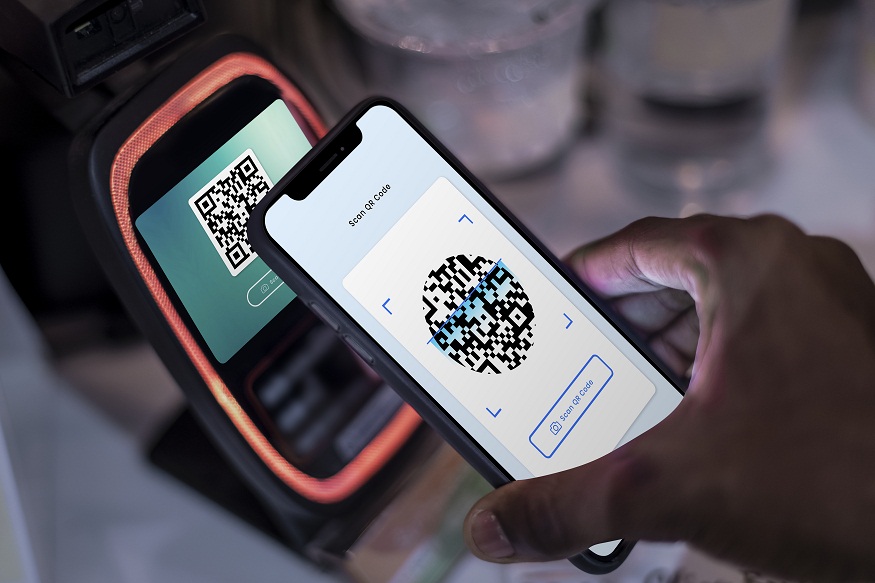
How Borrowing and Digital Spending Patterns Now Shape Each Other
In today’s ever-evolving financial landscape, borrowing and digital spending have emerged as critical components of economic behaviour. Understanding how these patterns shape each other is essential for consumers and businesses alike. As the world becomes increasingly digitised, the interplay between borrowing practices and digital spending behaviours is more intricate than ever before. This article delves into how the interconnectedness of these phenomena impacts financial decisions, consumer habits, and the broader economy.
The Rise of Digital Spending
Over the past decade, digital spending has risen dramatically, driven by technological advancements and a shift in consumer preferences. With smartphones, internet connectivity, and online shopping platforms becoming ubiquitous, consumers now have the convenience of making purchases with just a few taps. This ease of access has transformed spending habits, allowing people to buy goods and services from anywhere at any time.
Online bill payment, an integral aspect of digital spending, has revolutionised how consumers manage their finances. The ability to pay bills online saves time and effort, making financial management more straightforward. Furthermore, it introduces efficiency and transparency, as digital transactions can be tracked with ease, thereby enhancing budget control.
The Role of Borrowing in Today’s Economy
Borrowing remains a fundamental aspect of the economic framework, providing individuals and businesses with the capital necessary to pursue their goals. Whether it’s a mortgage, personal loan, or business financing, borrowing enables progress and development. However, the landscape of borrowing is undergoing transformation, largely influenced by digital innovations.
With the rise of fintech companies, obtaining a loan is no longer confined to traditional banking institutions. These platforms offer loans with more flexibility and faster processing times. Additionally, the integration of Artificial Intelligence (AI) in loan assessments allows for more personalised loan products, catering to the specific financial needs of customers.
Interconnection Between Borrowing and Digital Spending
The growth of digital spending has direct ramifications on borrowing behaviours. As people engage in more online transactions, they may find themselves relying on credit facilities more frequently. This is particularly true for those who indulge in online shopping, which can sometimes lead to impulsive purchases beyond their immediate financial capacity.
Moreover, the digitalisation of borrowing processes, such as online loan applications and approvals, facilitates quicker access to funds. This enhanced accessibility can encourage consumers to take loans to finance digital spending, creating a cyclical relationship. The convenience of online bill payment further enhances this cycle, streamlining the management of instalments and financial obligations.
Financially Savvy Digital Consumers
The modern consumer is more informed and discerning, often relying on digital tools to aid in financial decision-making. Apps that track spending, provide budgeting advice, or offer insights into credit score changes are invaluable. These tools empower users to make data-driven decisions about borrowing and spending.
For example, a consumer might use a budgeting app to set aside funds for online bill payment, ensuring they are never behind on obligations. On the other end, lending platforms use consumer data to tailor loan offers, aligning with the individual’s financial standing. This symbiosis between borrower and lender, facilitated through digital means, fosters a more holistic financial ecosystem.
Challenges and Opportunities
While digital spending and borrowing offer numerous benefits, they also present challenges. Increased convenience can lead to overspending, as the psychological barriers of parting with physical cash are diminished. This behaviour can escalate personal debt levels if not managed prudently.
Furthermore, the digital environment poses cybersecurity risks. Stolen data or hacked accounts can result in financial losses. It is crucial for consumers to adopt robust security measures and for businesses to invest in safeguarding technologies to protect sensitive financial information.
On the opportunity front, the fusion of borrowing and digital spending patterns opens doors for innovation. Financial institutions and tech companies can develop new products that cater to digitally-savvy consumers, such as on-the-go credit assessments or instant loan disbursements linked to digital wallets.
The Impact on the Economy
The interplay between borrowing and digital spending patterns has broader economic implications. Increased consumer spending often translates into economic growth, while an upsurge in borrowing can stimulate investment. However, this relationship must be balanced carefully. Excessive borrowing without the means for repayment can lead to financial instability, as seen in historical economic crises.
Governments and regulators play a vital role in ensuring that the financial systems are robust enough to handle the challenges posed by digitalisation. Policies that promote responsible lending and borrowing practices, coupled with consumer education programmes, are essential to maintain economic stability.
Adapting to the Future
The future of borrowing and digital spending is likely to become even more intertwined as technology continues to advance. The rise of blockchain technology, for instance, could revolutionise the way loans are issued and managed, providing greater transparency and reducing the risk of fraud.
Artificial Intelligence and machine learning will further personalise financial services, offering bespoke advice and options tailored to individual consumer behaviour and historical data. This level of personalisation can help reduce the risk of default, providing lenders with more accurate predictive analytics.
In conclusion
borrowing and digital spending patterns are dynamically shaping each other in today’s world. This evolution provides both challenges and opportunities for consumers, businesses, and regulators. As technology continues to advance, the integration of these aspects will require individuals to stay informed and adapt to new trends, ensuring that they can navigate the financial landscape wisely and with confidence.
As we embrace this future, it is crucial for stakeholders to foster environments that encourage responsible practices, innovation, and consumer education. By doing so, we can harness the benefits of borrowing and digital spending to facilitate a prosperous and equitable financial ecosystem.
In navigating this complex landscape, reflecting on our spending patterns, investing in financial literacy, and embracing innovations with caution can pave the way towards a more financially stable future for all.